To see Prof. Dr Tzenov’s CV please click here
PANOMIR IVANOV TZENOV
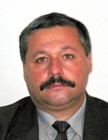
BIRTHDATE: 11.10.1961
BIRTHPLACE: Vratsa, Bulgaria.
HOME ADRESS: 5 A. Stamboliiski str., Vratsa 3000, Bulgaria
CONTACTS: tel. +359888479438; +35992 642221; fax. +35992 645154; e-mail: panomir@yahoo.com
EDUCATION: MSc., University of Zootechnics and Veterinary Medicine – Stara Zagora
SPECIALITY: Animal breeding engineer - sericulture
CAREER:
1986 – 1987: technologist in silkworm egg production at the “Silkworm breeding and egg production enterprise”, Vratza, under the Sericulture Experiment Station (SES) – Vratza.
1987 – 1989: head of the “Silkworm breeding and egg production enterprise”, Vratza, under the SES – Vratza.
1989 – present: Researcher and Professor in SES - Vratza
1994 – 2003 – Director of SES - Vratza
2000 – 2002: National director of the project TCP/BUL/0065 “Rehabilitation of sericulture”, financed by FAO.
2005 – present: President of Black, Caspian Seas and Central Asia Silk Association (BACSA).
2006 – 03.2007: Executive director of Bulgarian National Center of Agricultural Sciences (presently Agricultural academy), Sofia
03.2007 – present: Director of SES - Vratsa, since 2018 Scientific Center on Sericulture, Vratsa
2002 – 2008: member of international “Working Group on Sericulture Germplasm” under FAO
2006 – 2008: member of international “Working group on the global silk handcraft cottage industries and silk enterprises development” under FAO.
FAO consultancy missions, undertaken through Personal Service Agreements, signed between FAO and Dr P.I. Tzenov:
- Formulation mission with visits to Rome, Italy, Azerbaijan, Georgia and Uzbekistan for a period of 4 months as expert in the promotion of sericultural industries and small enterprise development in the Black and Caspian seas region:
- Consultancy mission with visits to Rome, Italy and Uzbekistan for a period of 6 months to prepare a draft proposal for organizing periodic international workshops and to organize the first one in 2005 on the regional strategies proposed for revival and promotion of sericultural industries and small enterprise development in the countries of Black, Caspian seas and Central Asia region. The “International Workshop on Revival and Promotion of Sericultural Industries and Small Silk Enterprise Development in the Black & Caspian Seas Region” was held in Tashkent, Uzbekistan from 11 to 15 April 2005 and the first regional association, called Black, Caspian Seas and Central Asia Silk Association (BACSA) was established.
- Consultancy mission with visits to Rome, Italy and Turkey for a period of 6 months preparing draft documents for organizing/holding and follow-ups of the “International Workshop on Silk Handcrafts Cottage Industries and Silk Enterprises Development in Africa, Central Asia, Europe and Near East”, Bursa, Turkey, 6 -10 March 2006.
2006 – 2008: member of the Publishing council at the National Center of Agricultural Sciences, Bulgaria
2007 - continues: Member of the Editorial board of the international scientific journal "Sericologia", issued by the International Sericultural Commisssion, Lyon, France.
2010 - continues: Member of the Editorial board of International scientific journal "Agrarian - Economic Science and Technologies", published in Georgia.
2008 - continues: Memeber of the Scientific council of the experimental stations from North Bulgaria under the Agricultural academy.
2012 - continues: Member of the Scientific council of Animal Breeding Institute, Kostinbrod, Bulgaria under the Agricultural academy.
2014: Member of Editorial board of Bulgarian scientific journal "Animal Sciences" issued by Agricultural Academy
SCIENTIFIC QUALIFICATION: 1989 – Research Officer ІІІ degree; 1991 – Research Officer ІІ degree; 1994 – Research Officer І degree; 1996 – PhD - sericulture; 1998 – Associate professor - sericulture; 2012: Professor - sericulture
1998: Ukraine, Agricultural academy, Sericulture Research Institute, Merefa, Kharkov district, head of joint research project and participation at international sericultural conference – 7 days
1998: Egypt, Agricultural company “Agromier”, Cairo, head of joint research project – 7 days.
2000: Greece, Agricultural research station, Komotini, head of joint research project – 5 days.
2007: Greece, Agricultural Research Station, Komotini, joint research project – 4 days.
2008: Bahrain, March, survey on the local silk market, 2 days
2010: USA, Entogenetics Inc., Charlotte, North Carolina, November, 10 days
KEY EXPERIENCE AND EXPERTISE: general sericulture: silkworm breeding, egg production, rearing technology, cocoon and silk processing;
MAIN SCIENTIFIC CONTRIBUTIONS: Development methodology of silkworm breeding for higher tolerance to unfavorable rearing conditions. Selection of silkworm breeds and hybrids with higher tolerance to physical stress. Selection of silkworm breeds and hybrids having higher cocoon and shell weight, shell ratio, filament length and raw silk percentage. Breeding 5 new silkworm sex-limited pure lines and one four – way F1 hybrid.
Determining the effect of the genotype and environment on the mulberry leaf ingestion, digestion and utilization in different Bulgarian silkworm breeds and hybrids, the effect of interactions genotype – environment on the phenotypic expression of the genes, responsible for silkworm diapause, the effect of some environment factors on the silkworm fecundity.
Investigations on possibilities for producing of compost by the wastes from silkworm rearing, such as mulberry leaf remnants, shoots, branches and silkworm excrements, and establishing a technology for wasteless cocoon production in the sericultural farm.
Development of a method for determination the balance of nitrogen in silkworm body and nitrogen obtained by 0.1 ha mulberry plantation which will take place in scientific investigation as model for establishment of new technological decisions for producing of maximal amount of proteins in the form of cocoons and raw silk.
Studies on the influence of different silkworm breeds and hybrids, terms of beginning the spring silkworm rearing and increased concentrations of heavy metals in mulberry leaves on the mulberry leaf ingestibility, digestibility and utilization by the silkworms.
Working out of labor – saving technologies for silkworm rearing and industrial methods of silkworm egg production.
Working out of cottage based technology for cocoon drying, silk reeling and processing, suitable for the Bulgarian conditions.
Strategies and concepts for sericulture development:
- Strategy for sericulture in Europe and Central Asia development through improving the raw silk and silk allied products marketing.
- Global strategy for silk handcrafts and cottage industries development.
- Strategy for silkworm breeding work improvement in Europe and Central Asia for better marketing of the silkworm eggs produced.
- Strategy for sericulture development in the Black, Caspian Seas and Central Asia region countries through products diversification.
- Strategy for sericultural products non – textile use in the Black, Caspian Seas and Central Asia region countries.
PREPARED INTERNATIONAL AND TCP PROJECTS:
Regional project proposal: “Improvement of Income-Generation Options Based on Revival of Sericultural Industries and Promotion of Small Silk Enterprise Development in Eastern Europe and Central Asia”. This project proposal was submitted officially to the FAO through the governments of Azerbaijan, Armenia, Bulgaria, Romania, Tajikistan and Uzbekistan.
Two FAO TCP facility projects in Albania and Georgia were approved and financed. Those were TCP/ALB 3101 “Revival and Development of Sericulture in Albania”, implemented in 2008 – 2009 and TCP/GEO/3201 “Sericulture sector study in Georgia”, implemented in 2009 – 2010.
In the end of 2008 two proposals were prepared by Dr P. Tzenov and Dr S. Cappellozza (Italy) and on behalf of BACSA submitted to FAO, seeking for support to the regional sericulture germplasm maintenance, evaluation, exchange and utilization. Those were “REGIONAL SERICULTURE GERMPLASM RESOURCES NETWORK FOR AFRICA, MIDDLE EAST, CENTRAL ASIA AND EUROPE” and Regional workshop on “Utilization of mulberry and silkworm genetic resources for sericultural enterprises development in Africa, Middle East, Central Asia and Europe”.
Project proposals, submitted to the European commission:
"Support for unlocking and developing the research potential of silkworm breeding and innovative management techniques in Bulgaria, Greece and Romania, targeting to the small silk enterprise development" was submitted in 2007 for possible financing by the EU FP 7 "Capacities" Programme, Part 4 Research Potential, Activity Area: ‘’Unlocking and developing the research potential in the EU's convergence regions and outermost regions’’
The project proposal SERINNOV– SEE EoI/B/481/1.3/X “Sericulture and silk products in South East Europe - stepping from the tradition to innovation and strengthening the economic profile of respective regions” was submitted to South East Europe Programme – 2nd Call for proposals in 2009.
Project FP7 – KBBE – 2009 – 3 – 5 “EXPLOITATION OF THE HEAVY METAL MOVEMENT AND REMOVAL PATHWAYS AND MECHANISMS IN THE MULBERRY – SILKWORM CHAIN FOR THE ESTABLISHMENT OF MODEL APPLICATIONS FOR FURTHER PRACTICAL USE IN BIO-REMEDIATION OF CONTAMINATED SOILS BIOREMEDIATION”
DANUBE FASHION INSPIRED AND COMFORT CENTERED CREATIVE TEXTILE DESIGN
Proposal acronym: FASHITex
Type of funding scheme: SME-Targeted Collaborative Project
Work programme topics addressed:
FP7 - NMP.2012.4.0-1 “Novel materials and design-based solutions for the creative industry”
Name of the coordinating person: Prof.Xianyi Zeng, ENSAIT
FP7 "People" Programme: Marie Curie Actions
"Initial Training Networks" (ITN)
FP7-PEOPLE- 2010-ITN
Project: Applications of (a)symmetry in animal and plant breeding
ABROAD MISSIONS AND QUALIFICATIONS:
1988: Ukraine, Agricultural academy, Sericulture Research Institute, Merefa, Kharkov district, Silkworm egg production enterprise in Mirgorod – 20 days
1991: Ukraine, Agricultural academy, Sericulture Research Institute, Merefa, Kharkov district, participation at international conference on the world sericulture industry problems – 7 days
1995: Republic of Korea, Sericulture and Entomology Research Institute, Suwon, participation at sericulture training course – 45 days.
1998: Greece, Agricultural Research Station, Komotini, head of joint research project – 5 days.
1998: Ukraine, Agricultural academy, Sericulture Research Institute, Merefa, Kharkov district, participation at international sericultural conference – 7 days
1998: Egypt, Agricultural company “Agromier”, Cairo, head of joint research project – 7 days.
1999: Egypt, participation at the 18th congress of the International Sericultural Commission – 7 days
2000: Greece, Agricultural research station, Komotini, head of joint research project – 5 days.
2002: (February) Thailand, Bangkok, Ministry of Agriculture, Department of Agricultural Extension, specialization in sericulture management and extension service, 10 days.
2002: China, Hangzhou, Zhejiang National University, specialization in training of university students in sericulture, and general sericulture, 10 days
2002: South Korea, Suwon and Daegu, Kyung – puck National University, specialization in silk processing and production of ready garment, 10 days.
2002: (September) Thailand, Bangkok, 19th congress of the International Sericultural Commission & The first international conference on Conservation Status of Sericulture Germplasm of the World, organized and supported by the FAO, participation as invited lecturer, 7 days.
2002: Greece, Thessalonica, 7th European congress in entomology, scientific conference: New prospects of the European sericulture”, participation as invited lecturer, 5 days.
2002: Greece, Athens, International sericulture conference, participation with scientific paper, 4 days.
2003: Italy, Rome, FAO, International consultant of FAO, 7 days.
2003: Azerbaijan, International consultant of FAO, 7 days.
2003: Georgia, International consultant of FAO, 7 days.
2003: Uzbekistan, International consultant of FAO, 7 days.
2004: Italy, Rome, International consultant of FAO, 3 months.
2005: Italy, Rome, International consultant of FAO, 4 months.
2005: Uzbekistan, Tashkent, FAO consultant in organization of “International Workshop on Revival and Promotion of Sericultural Industries and Small Enterprise Development in the Black, Caspian Seas and Central Asia Region”, Tashkent, Uzbekistan 11 - 15 April 2005, 15 days
2005 – 2006: Bulgaria and Turkey, FAO consultant on the silk handcraft cottage industries and small silk enterprises development and co-organizer of “International Workshop on Silk Handcrafts Cottage Industries and Silk Enterprises Development in Africa, Europe, Central Asia and the Near East & Second Executive Meeting of Black, Caspian seas and Central Asia Silk Association (BACSA)” Bursa, Turkey, 6 -10 March 2006
2006: Romania, Bucharest, participation at the 4th meeting of the Union of European Academies for Science Applied to Agriculture, Food and Nature and visit the commercial society “Sericarom”, 4 days.
2007: Greece, Agricultural Research Station, Komotini, joint research project – 4 days.
2007: Japan, Kyushu University and Kyoto University: visit the National silkworm gene bank of Japan, participation with a paper at an international meeting on the global problems of conservation and utilization of silkworm genetic resources, 7 days.
2007: Romania, August, Bioengineering, Biotechnology and Environment Protection Institute, Bucharest, participation in an international conference as invited speaker and chairman of section.
2007: Thailand, Bangkok, participation as an invited speaker at the Thai Silk Fair 2007, August, 7 days
2007: Romania, November, visit the University of Agricultural Sciences and Veterinary Medicine, Cluj Napoka and participation at the "36th International Session of Scientific Communications", organized by the University of Agricultural Sciences and Veterinary Medicine, Bucharest, 7 days
2008: India, March, participation at the "International Conference on Trends in Seribiotechnology, 27 - 29, March, SK University, Anantapur, India, 7 days
2008: Bahrain, March, survey on the local silk market, 2 days
2008: Romania, April, participation at the international conference "Sericulture in the 3rd millenium - tradition and modern biotechnology in FP 7", 17 - 18 April, University of Agricultural sciences and Veterinary Medicine, Cluj Napoca, 4 days
2008: Romania, participation at the international conference "Exploitation of agricultural and food industry by - products and waste material through the application of modern processing techniques", 1 - 3 July, Bucharest.
2008: Greece, participated at the 21st Congress of the International Sericultural Commission, 3 - 6 November, Athens.
2009: Romania, participated at the international workshop "Use of sericulture wastes and by products in phytotherapy and other non - textiles purposes", S.C.BIOING S.A. 2-3 April 2009, Bucharest, Romania
2009: Moldova, visited the Moldavian Academy of Sciences, April.
2009: China, participation in the 2009 China International Silk Forum, 18 - 20 October, Hangzhou and visit different sericultural sites in China, 10 days.
2010: Thailand, participation at "ASEAN Sericulture Conference 2010 and ASEAN Silk Fabric and Fashion Design Contest 2010", 22 - 27 August, Nontaburi, Thailand, 10 days.
2010: USA, visited Entogenetics Inc., Charlotte, North Carolina, November, 10 days.
2011: Austria, „Agricultural Trade Course for the Europe and Central Asia Region” organized by the World bank, February, Vienna, 5 days.
2011: Romania, organizer of the 5th BACSA International conference "Sericulture for multi products - new trends for development" and the 5th BACSA executive committee meeting, Bucharest, Apil, 5 days.
2011: Romania, participation in the international workshop “Sericulture and agriculture – strong relationships between Bulgaria, Greece and Romania”, September, Bucharest, 3 days.
2011: Thailand, participation in 22nd Congress of International Sericultural Commission, 14 – 18 December, Chiang Mai, 10 days.
2013: Italy, organizer of the 6th BACSA international conference “Building Value Chains in Sericulture” “BISERICA” 2013 and 6th BACSA executive committee meeting , Padua, Italy, April 7th – 12th 2013, organizer
2013: Rwanda, visited the National Sericulture Center and most of the sericultural facilities in the country, July, 14 days.
2014: India, participation in 23rd congress of International Sericultural Commission, Bangalore, 24th - 27th November, Bangalore, 10 days.
2015: Romania, organizer of 7th BACSA International conference “Organic Sericulture – Now and the Future” - “ORGASERI” 2015 and 7th BACSA executive committee meeting, Sinaia, Romania, 19th - 24th April , 8 days.
2017: India, Central Sericultural Research and Training Institute, Mysore, Project leader from the Bulgarian site of the joint research project "Indo-Bulgarian Collaborative Research Project for Improvement of Silkworm Breeding in India and Bulgaria", February, 7 days.
2017: Azerbaijan, organizer of the 8th BACSA International conference “Climate changes and chemicals – the new sericulture challenges”, “CLISERI” 2017, held at Sheki, Azerbaijan from 2nd to 7th April 2017, 7 days.
2019: Cuba, Sericulture development consultancy, January, 10 days.
2019: India, participation at the 6th Asia-Pacific Congress of Sericulture and Insect Biotechnology (APSERI), 2-4 March, Mysore.
2019: Georgia, organizer, 9th BACSA international conference “Sericulture preservation and revival – problems and prospects” “SERIVIVAL” 2019, held at Batumi from 7th to 12th April.
2019: Japan, particpation in the 25th International Sericulture Congress, Tsukuba, November, 10 days.
2023: Italy, participation in the kick-off meeting of EC HORIZON project ARACNE, march, 4 days.
2023: Greece, organizer, 10th BACSA international conference “Regeneration of sericultural industries in 21st century” “REGESERI” 2023, held at Soufli, Greece, from 24th to 27th April, 5 days.
NUMBER OF SCIENTIFIC PUBLICATIONS: 220, including 75 abroad, 10 books and monographs, 2 abroad, many popular papers.
Author’s certificates for new commercial silkworm hybrids: – 9.
Foreign languages: English and Russian in writing and speaking